Table of Contents
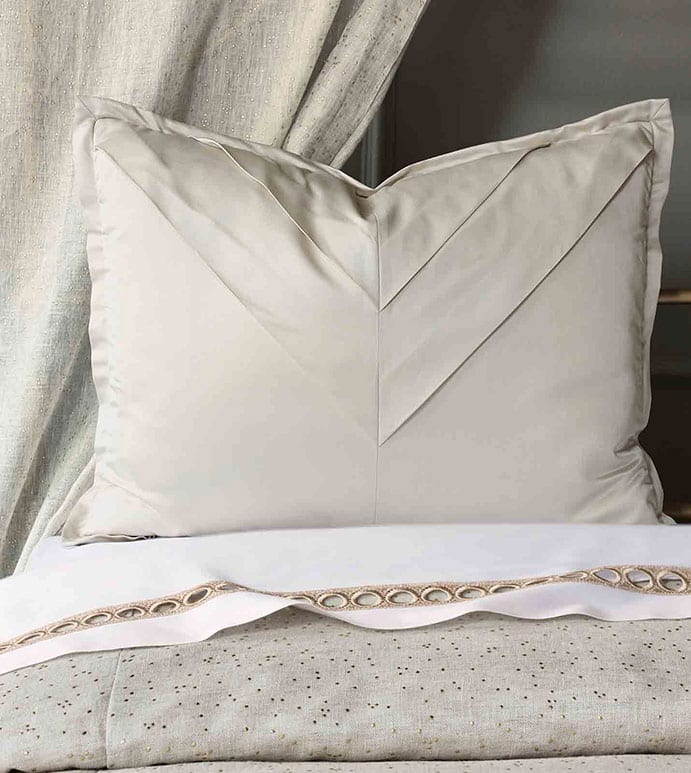
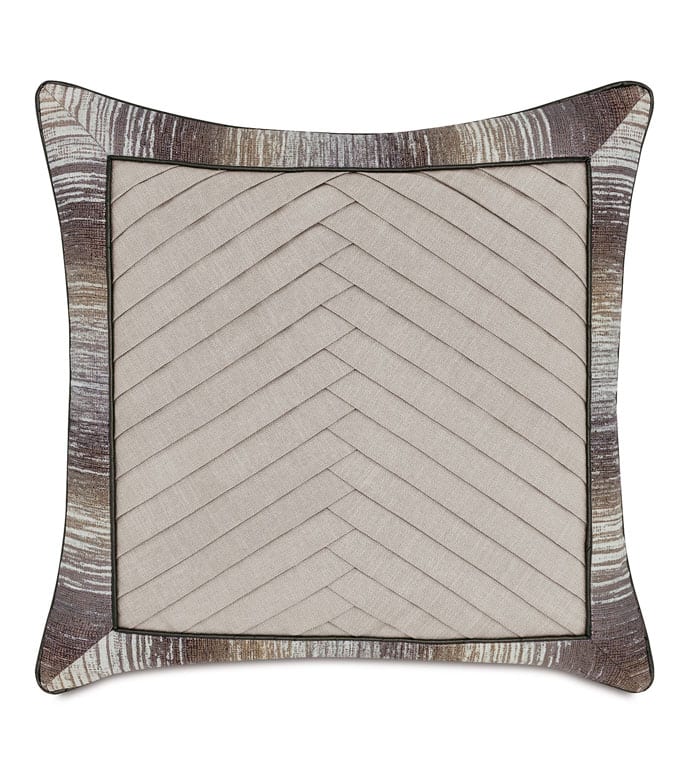
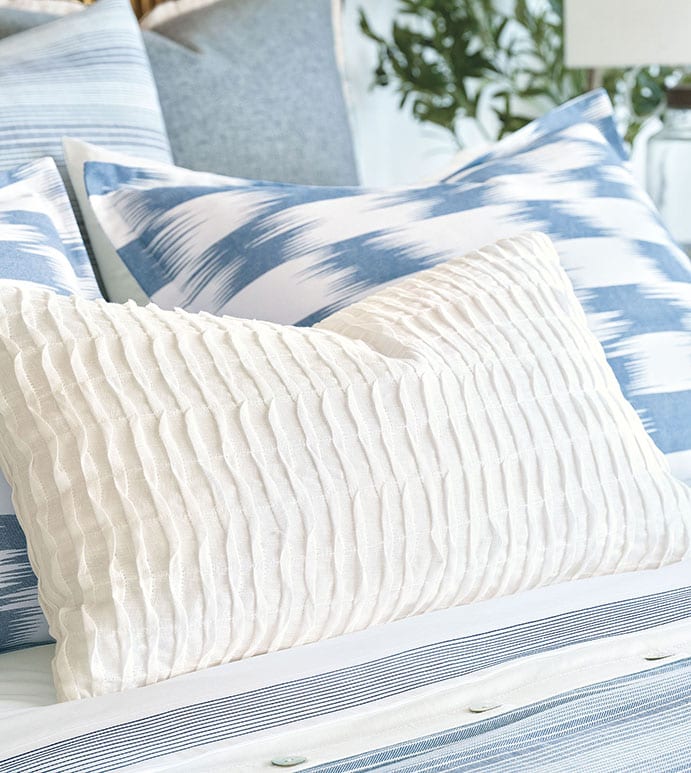
From pinch-pleat curtain panels to pintucked pillows, many of Eastern Accents’ most-loved products feature crisp, textured pleats. Pleating is a technique where fabric is folded or gathered to create volume, shape, and texture on a finished piece. This craft has many uses in home decor, ranging from elegant and traditional style to clean and modern innovations.
How Pleats are Made
Heat-Set
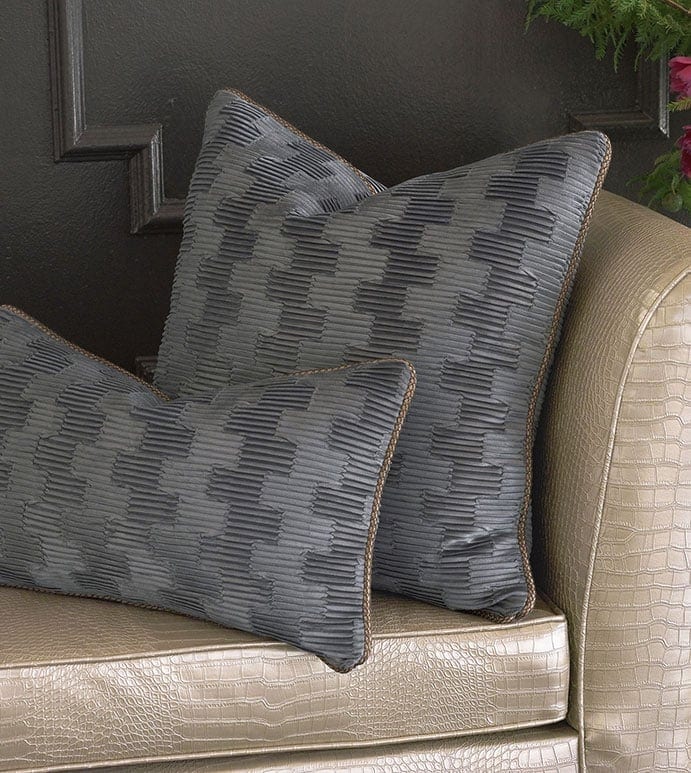
Our designers source fabulous fabrics from all around the globe, searching for the most beautiful and unique textiles. Some of these special fabrics are finished with a heat-set process, which results in crisp permanent pleats. Sashay Steel, used in our Valentina bedding collection, is a plush charcoal velvet imbued with even more texture from its geometric pleated pattern. Our Concertina Ivory Border comes from Tom's Sons in New York City, where it is specially pleated in the garment district.
By-Hand
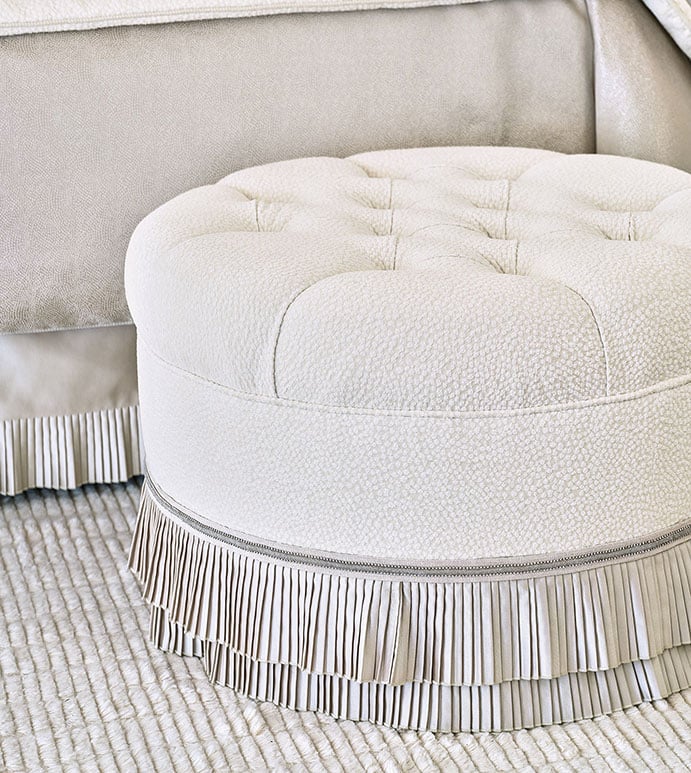
Natural materials—such as cotton, linen, and silk—need some assistance to hold their pleats. The expert craftspeople at Eastern Accents have plenty of experience folding, pressing, and stitching our pleated products by-hand. This allows our designers to get creative and use many different types of pleating throughout or line.
Common Types of Pleats
Knife Pleat
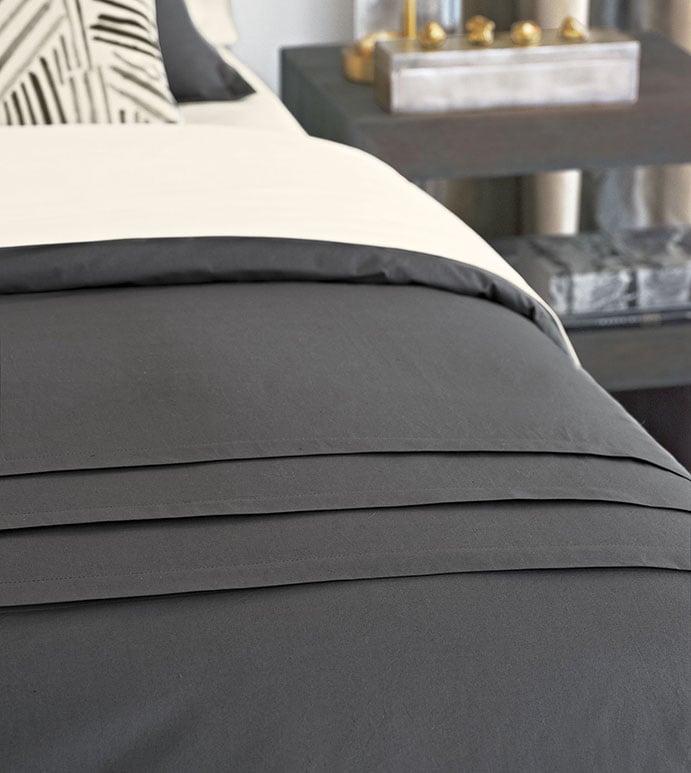
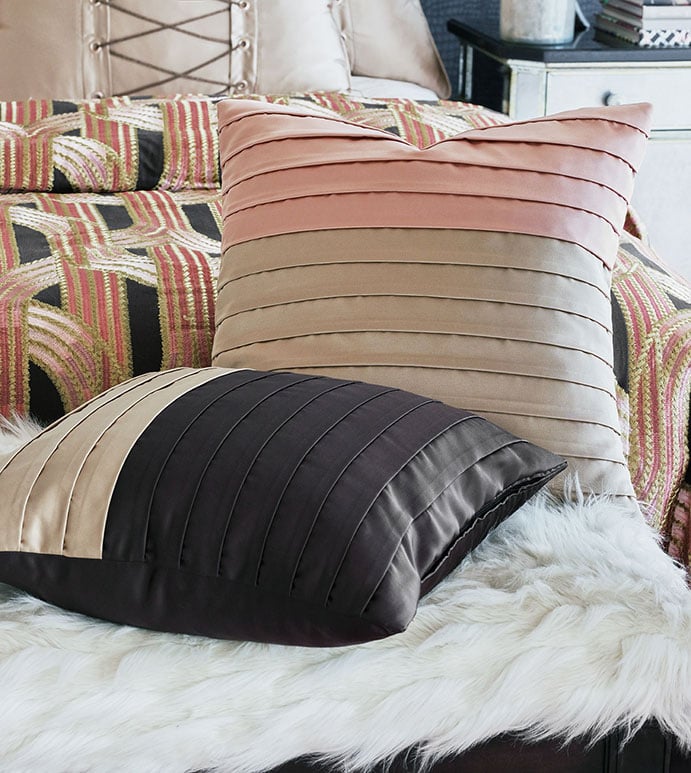
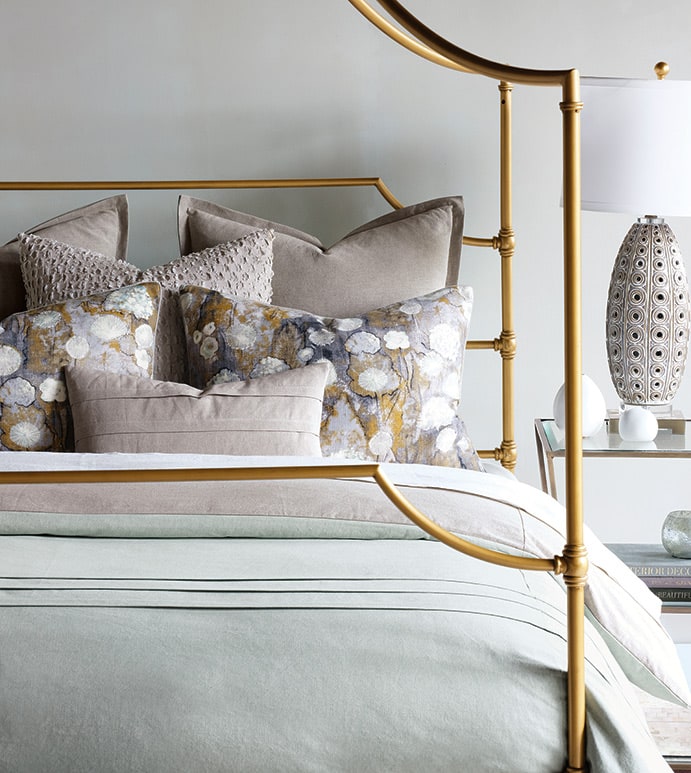
This versatile style is made with single-direction folds, all pointing the same way. This simple pleating can be used in a wide variety of styles, from Vail’s crisp and modern sheeting, to Vionnet’s decadent crystal bolster pillow.
Box Pleat
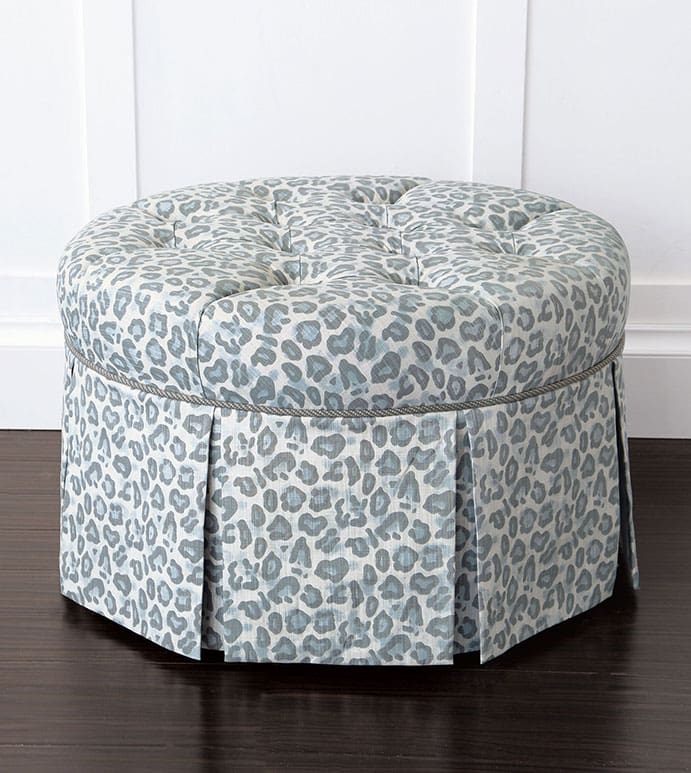
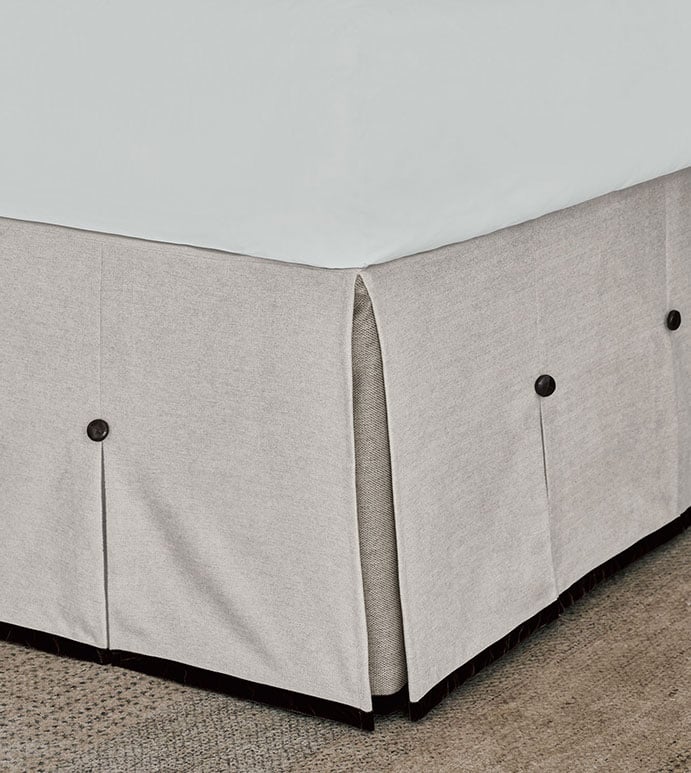
This symmetrical pleat is made from two folds facing opposite each other, allowing the fabric to lay flat on the face. In home decor, this style is often used in bed skirts and upholstered furniture.
Pintuck Pleat
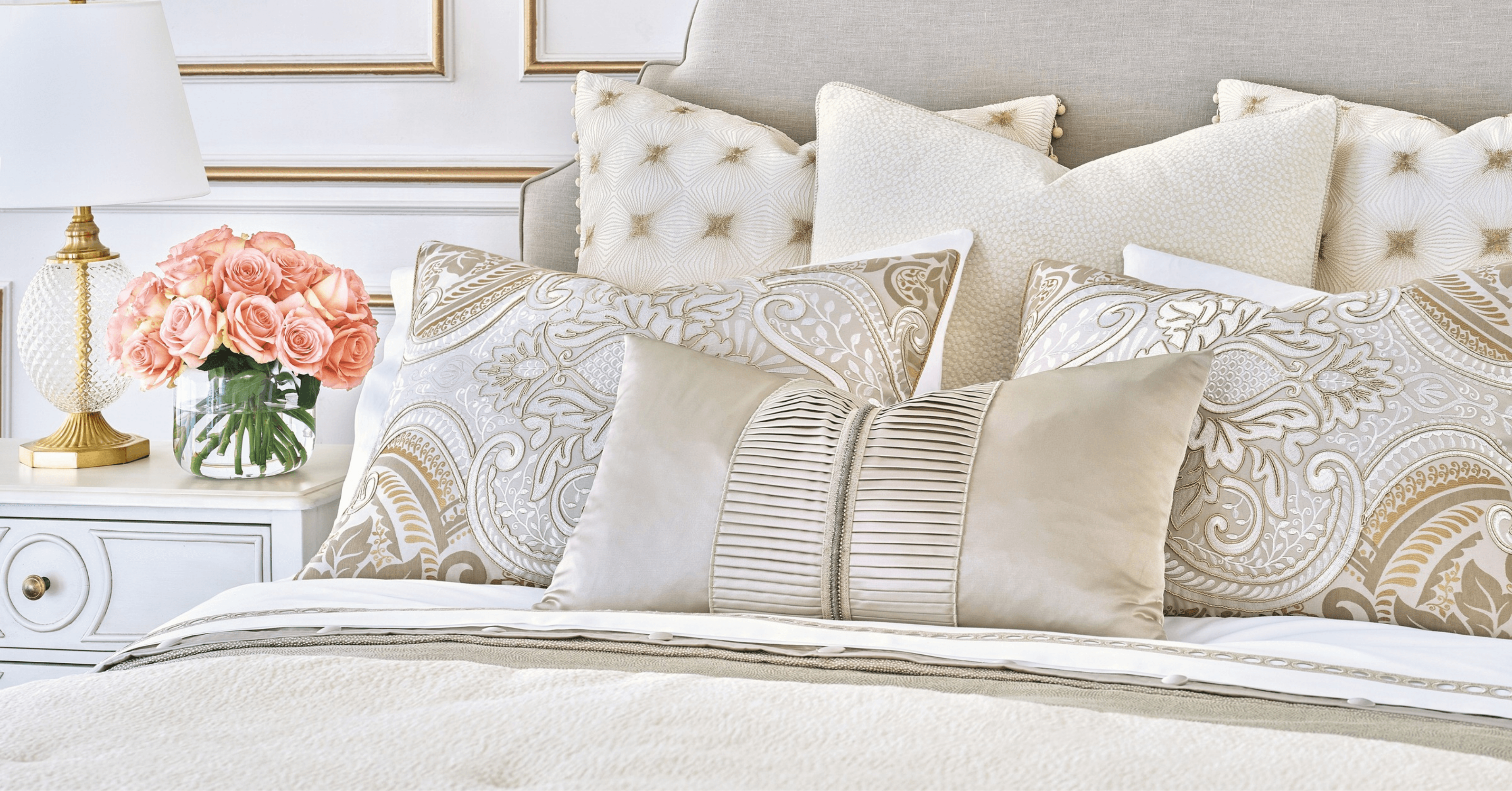
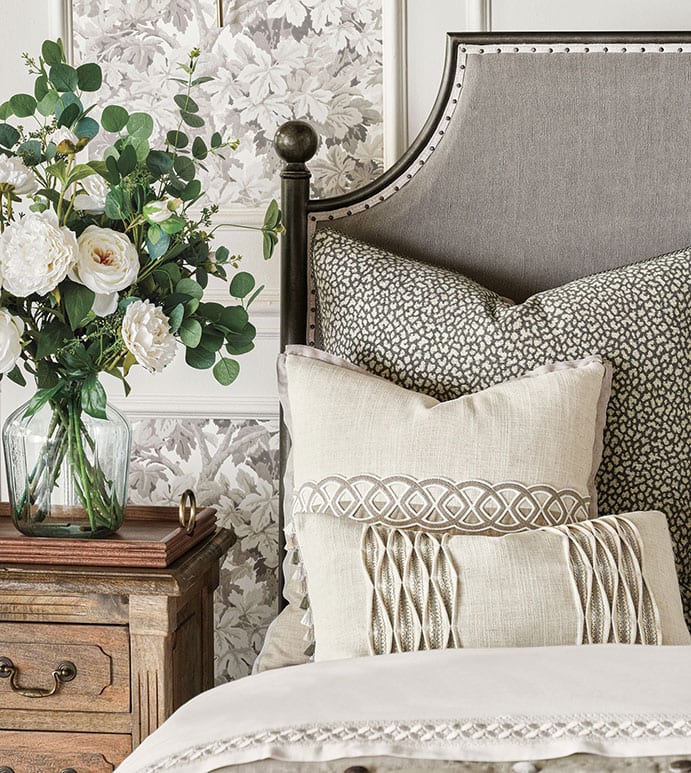
Pintucks are made when a narrow fold is pinched and sewn down its length, creating a thin channel roughly the width of a pin. In many of our decorative pillows, the pintuck channels are then stitched together in alternating intervals to make a raised diamond pattern.
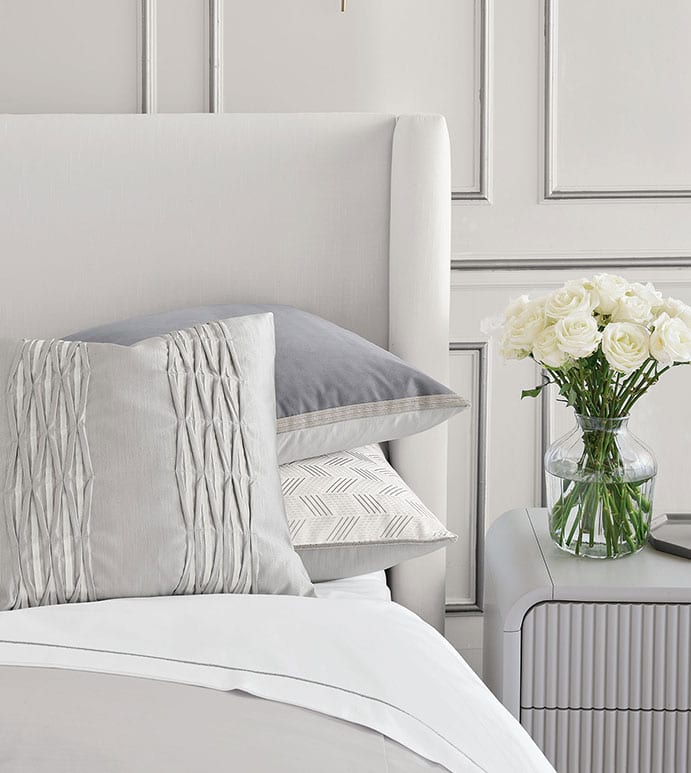
Butterfly Pleat
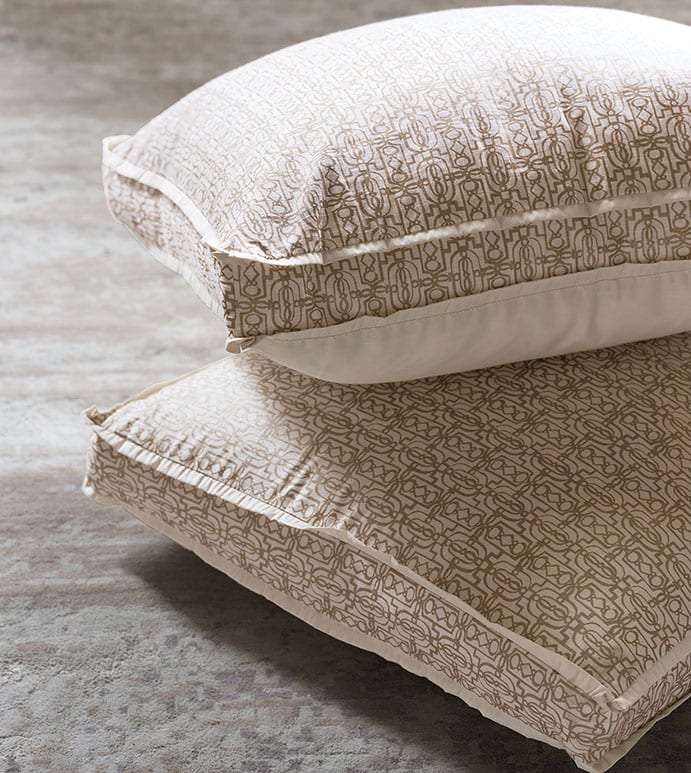
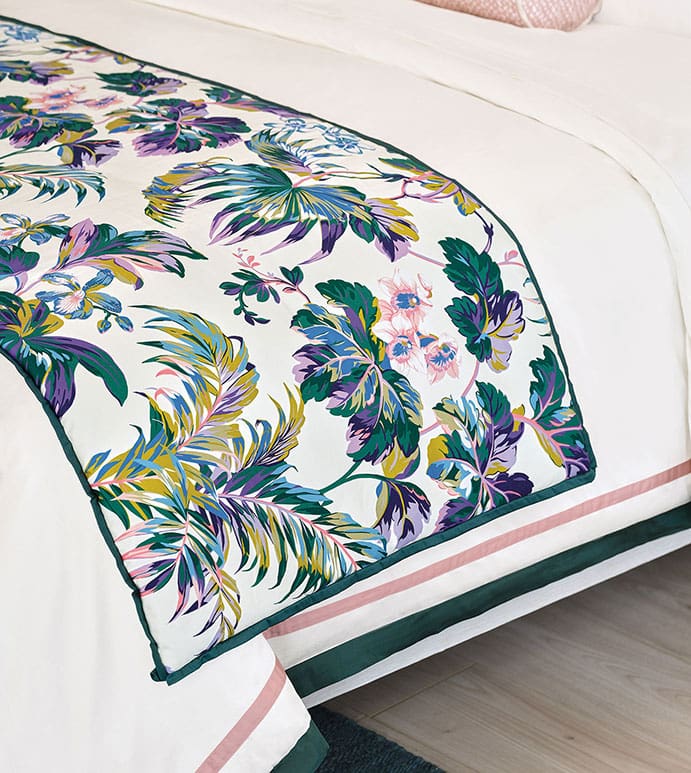
Used to adorn the corners of decorative pillows and other bedding pieces, a butterfly pleat is crafted from flat ribbon or trim folded twice, like a box pleat. This pleating allows a trim to continuously flow around a corner while adding a raised decorative element.
Curtain Pleats
Inverted Pleat
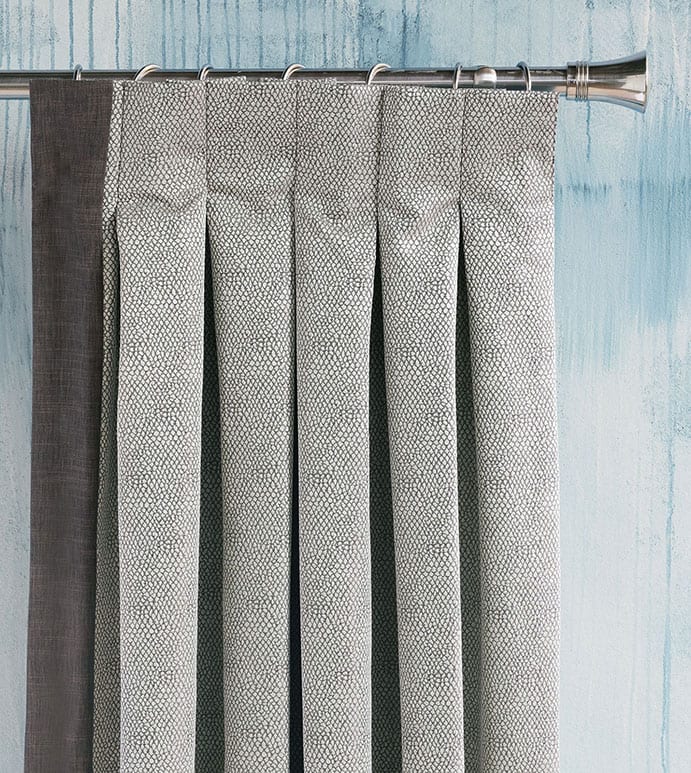
Curtains with an inverted pleat header are folded behind and sewn along the back, creating a smooth, flat front to the panel. This heading is modern and minimalist, while still remaining decorative and refined.
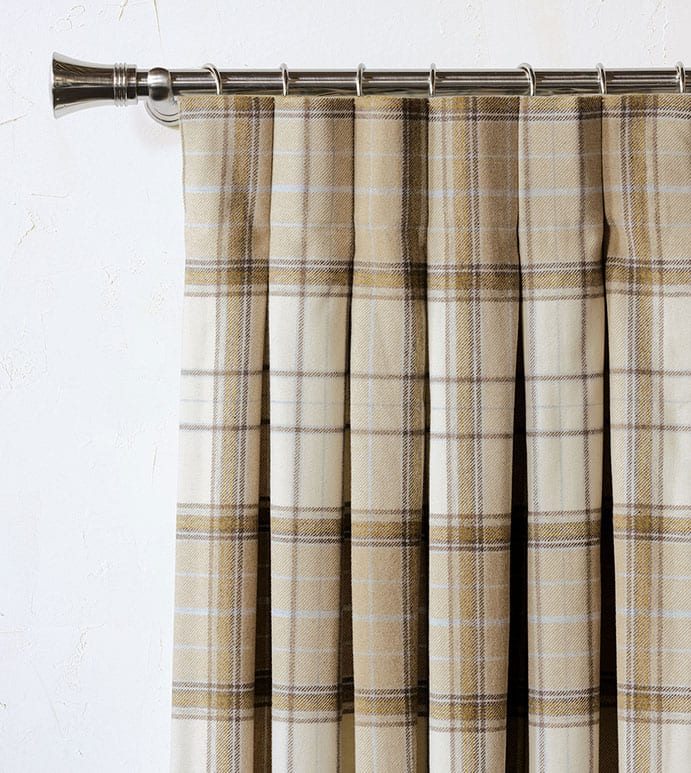
Pinch Pleat
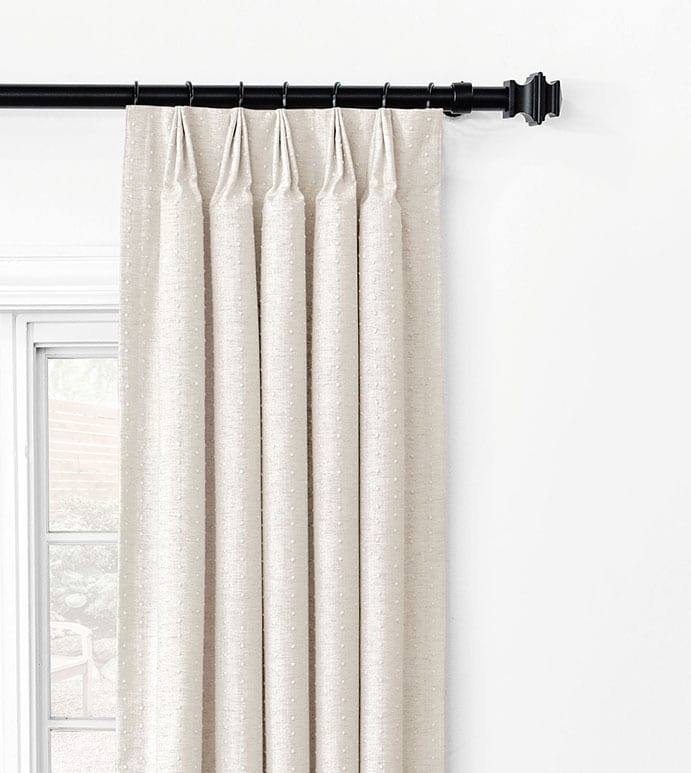
A pinch pleat curtain header is a traditional style crafted with three folds, sewn together in “V” shapes along the top of the panel. These gathers make the drapery look full, and offer a classic, formal aesthetic.
Parisian Pleat
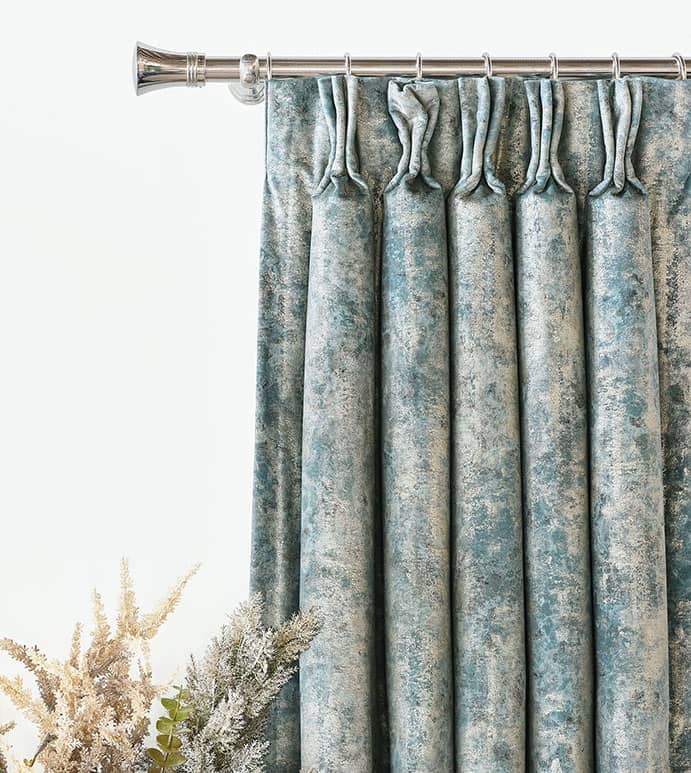
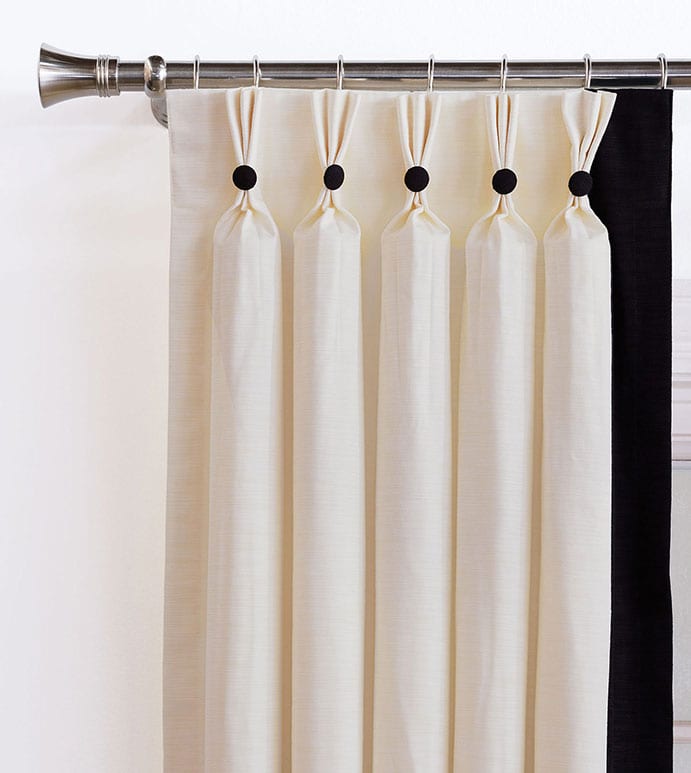
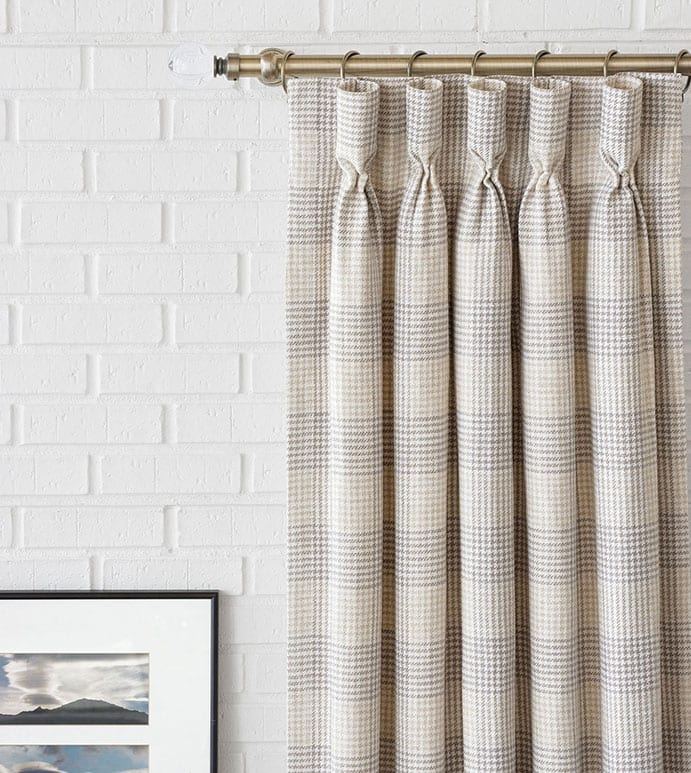
Similar to a pinch pleat, a Parisian or French pleat curtain features gathers of two or three folds, but now sewn along the top edge of the panel. This style offers the fullness of a pinch pleat, but with a cleaner, more streamlined edge.
Goblet Pleat
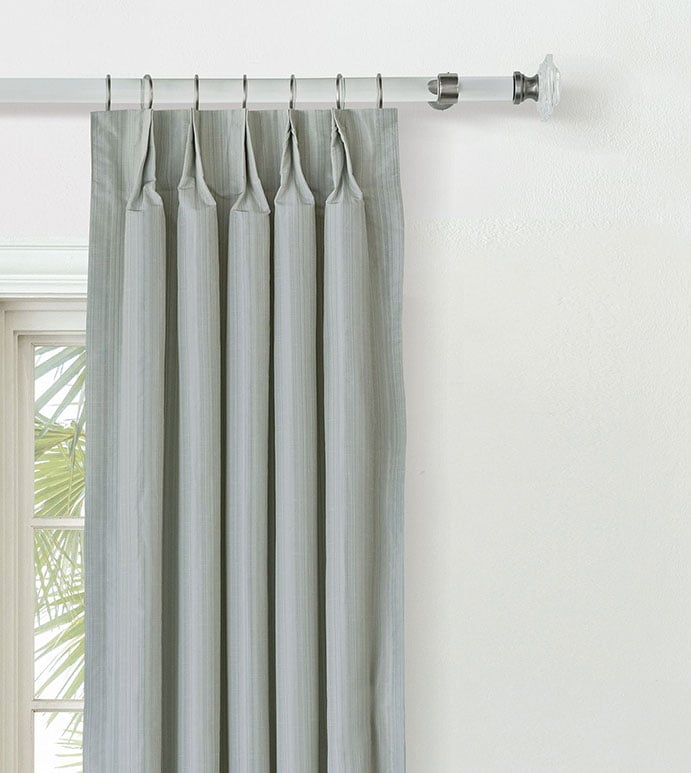
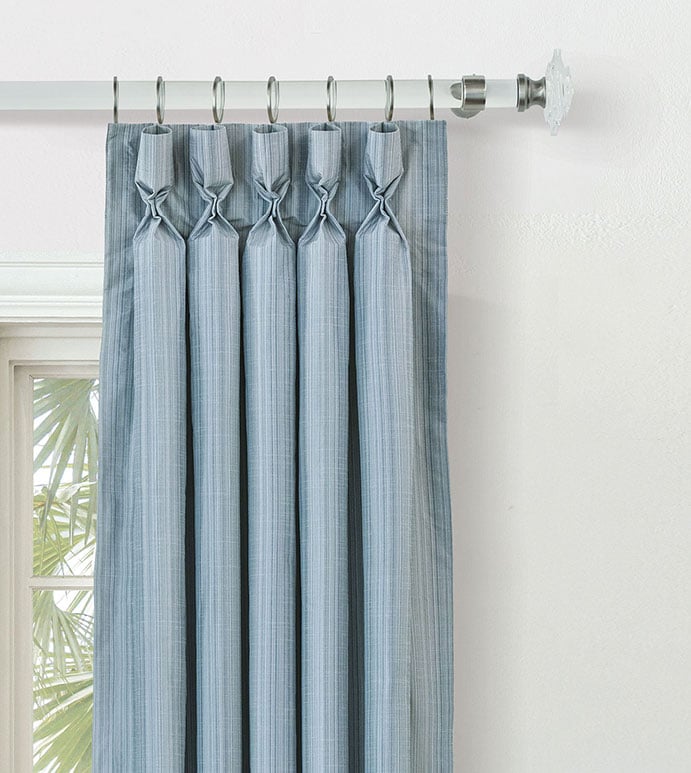
Another variation on the pinch pleat is a goblet pleat. Goblet pleats feature three folds of fabric gathered and sewn along a curtain header, then the tops are pushed out to create a goblet or cup shape.
Unique Applications
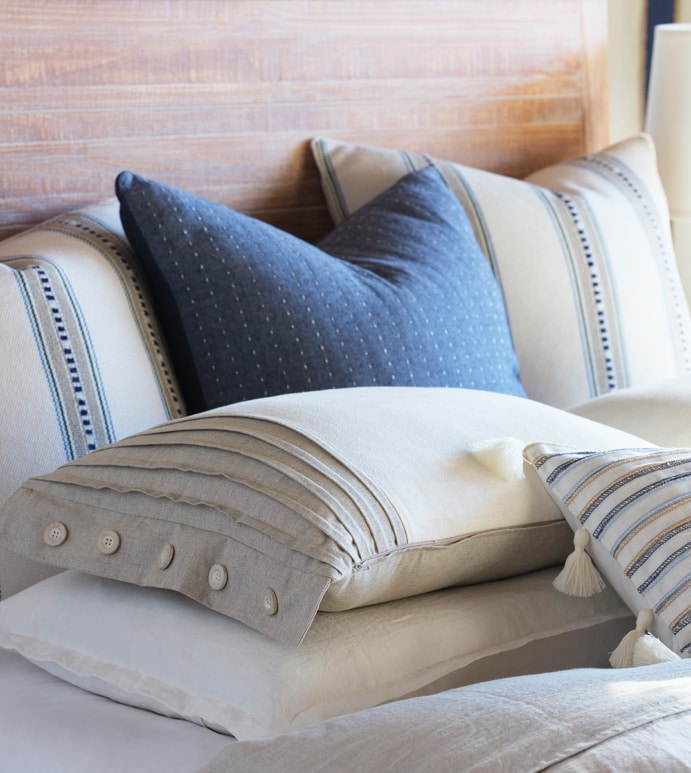
Now that we’ve covered all the different types of pleats, you will notice them everywhere! From Marceau’s envelope-style shams and Laetitia’s intricately folded decorative pillows, to our many products made with Yearling’s stunning pleated fabric, there is a whole world of unique pleating for you to explore.