Table of Contents
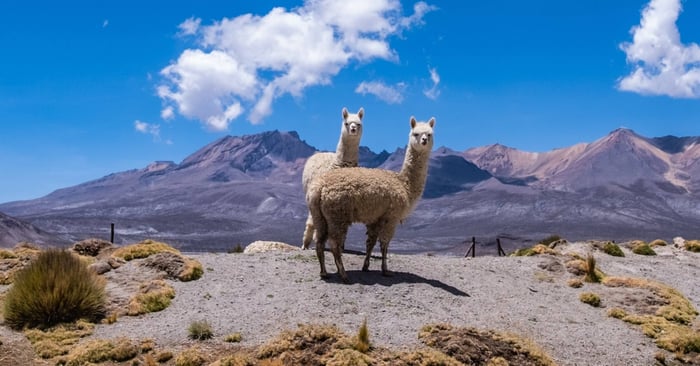
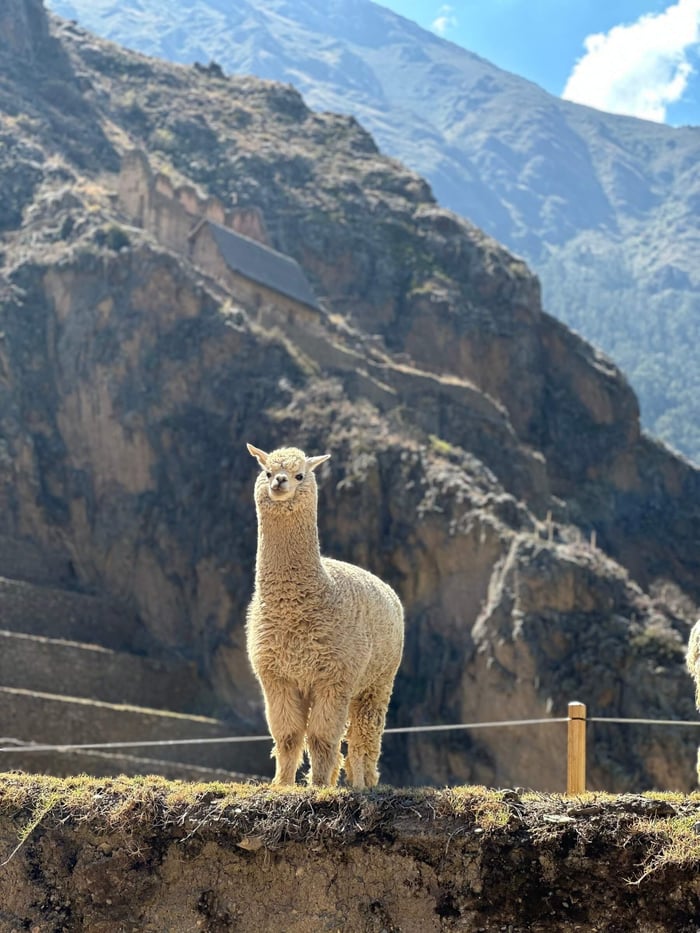
Eastern Accents is known for our wide selection of decorative pillows featuring unique patterns, textures and fibers. Last fall, we debuted a new type of textile to our line—alpaca velvet! Mostly used in the apparel industry, alpaca is not often seen in home accents despite its many strengths. From the peaks of the Peruvian Andes all the way to your home, we are delighted to introduce you to this one-of-a-kind textile!
What is Alpaca Velvet?
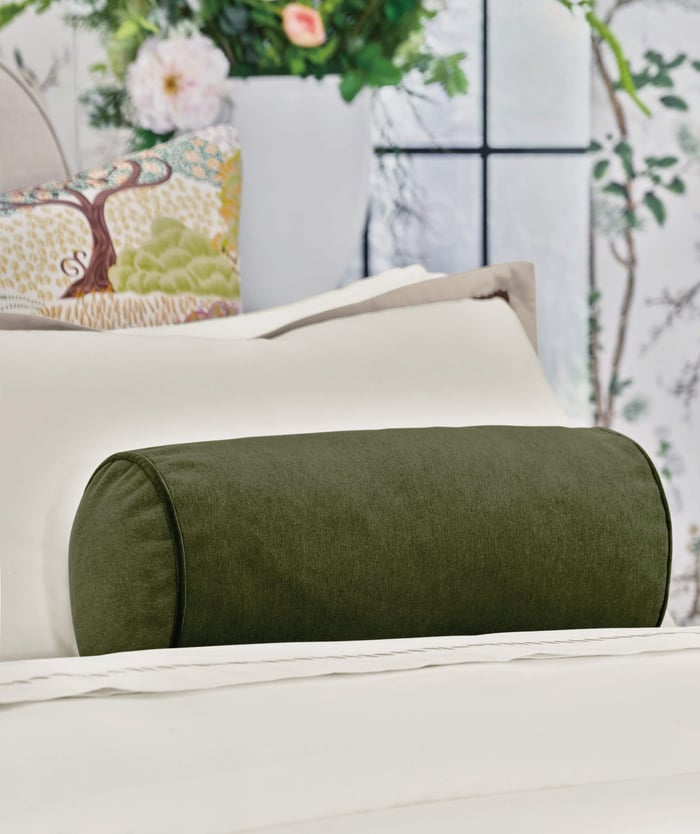
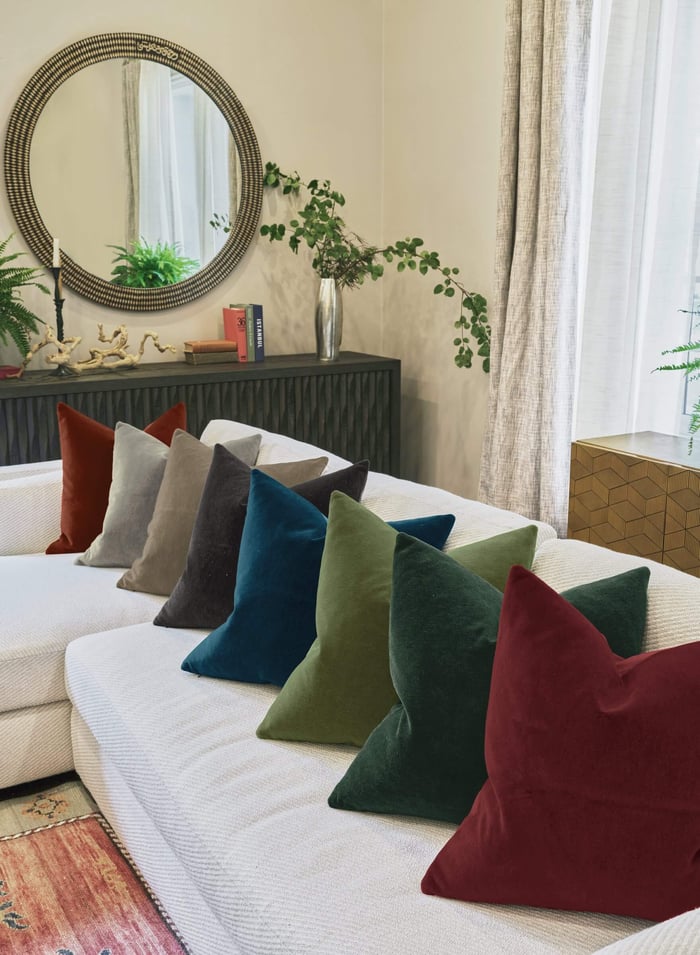
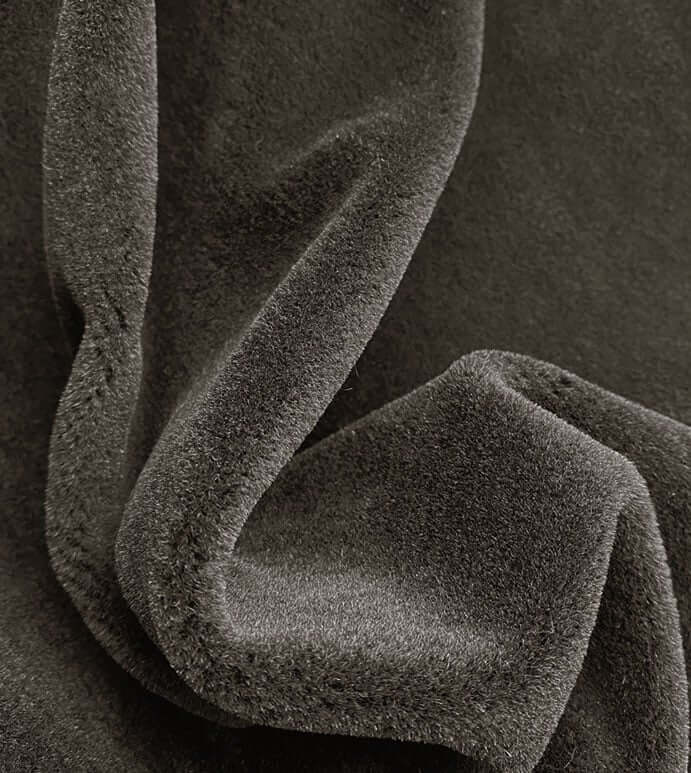
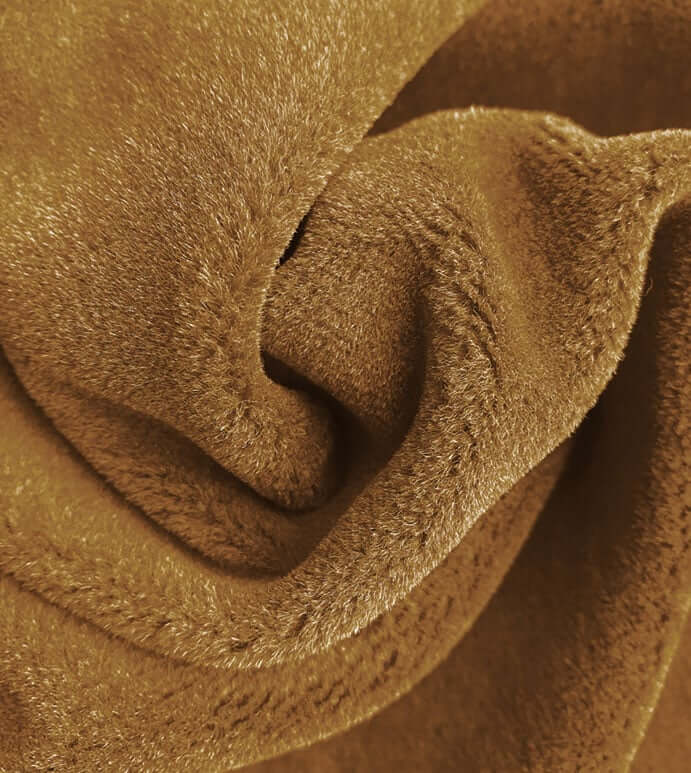
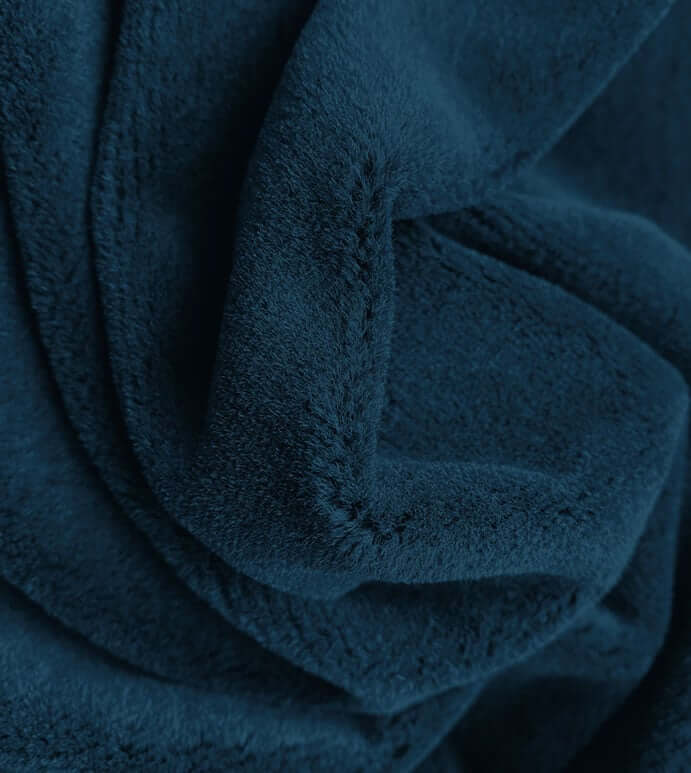
Alpaca is a luxury fiber, similar to cashmere, mohair and wool. Eastern Accents carries 11 shades of Brahms velvet created from this unique material. Though it may look like traditional cotton or polyester velvet, this luxe textile is unique in many ways.
- Exceptional Softness: Alpaca fibers are incredibly soft, often compared to cashmere—minus the itchiness! As a bonus, it has a natural luster and drapes beautifully.
- Warmth: Alpaca provides excellent insulation, offering warmth without bulk, and is known to be significantly warmer than sheep's wool.
- Lightweight: Despite its warmth, alpaca fiber is remarkably lightweight, adding to its comfort and appeal.
- Durability: Alpaca is known for its strength and durability, making it a long-lasting textile. This material is resistant to pilling, and can last for a lifetime when properly cared for.
- Hypoallergenic: Say goodbye to skin sensitivities and itchiness! Alpaca is devoid of lanolin, a natural wax that many animals producing wool possess, which triggers human allergies. This makes alpaca wool naturally hypoallergenic, perfect for those with wool allergies.
- Limited Supply: Alpaca fiber is not produced in mass quantities. Alpacas are typically shorn once a year, and the finest fibers come from animals raised in the Peruvian Andes.
- Versatility: Alpaca fiber can be used to create a wide range of products, from clothing like sweaters, scarves, and coats to home goods like blankets and throws.
- Sustainable: Alpaca farming can be more sustainable than some other fiber production methods, making it a popular choice for conscious consumers.
- Water-Repelling: Being natives of South America, alpacas are used to living in extreme climates. Their wool is naturally water-resistant because of its low water-retain rate, so you wouldn't find the material feeling uncomfortably damp.
How is Alpaca Velvet Made?
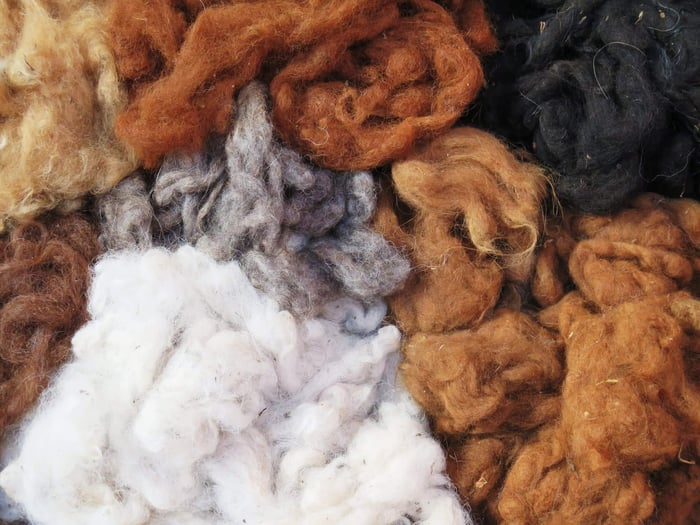 Alpaca Fleece
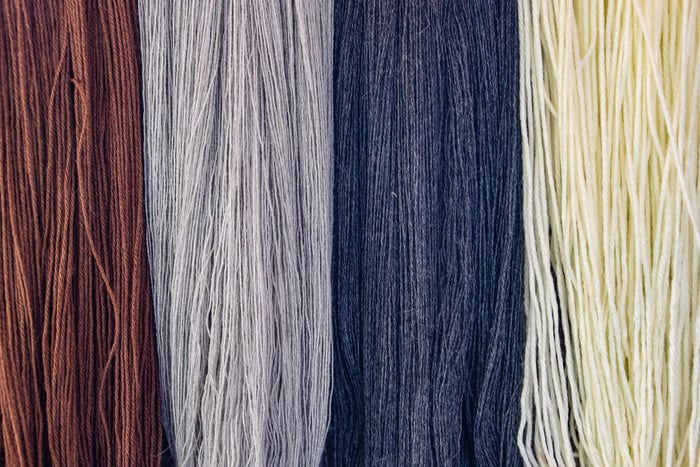 Alpaca Yarn
Eastern Accents’ Brahms velvet fabric is woven in Italy from Alpaca yarn harvested in Peru and certified by the International Alpaca Association (IAA). Being natives of South America, alpacas are used to living in extreme climates. They grow their luxurious fleece coats in the colder months, and are shorn every year in the spring. Each shearing produces roughly 5-10 pounds of fleece per animal. After shearing, the fleece is sorted and cleaned of any dirt or debris. Unlike sheep’s wool, alpaca fiber lacks lanolin wax, not only making it easier to clean but hypoallergenic. The clean wool is then carded—think of this like combing—which straightens the fibers so they can easily be spun into yarn. After spinning, the yarn can be dyed and woven into velvet!
Sustainability
Alpacas have been called “The Greenest Animal On The Planet”, especially when compared to other wool-producing animals. These animals have many assets that make them so eco-friendly!
Light footprint: Alpaca’s soft, padded feet are gentle on the terrain around them, leaving little impact behind. They nibble on grass without harming root systems, so they do not disturb natural vegetation. Alpacas only consume approximately 1.5% of their body weight each day! This prevents soil erosion and keeps the lands they graze on renewable.
Highly-adaptable: These fluffy creatures can survive in many different conditions, allowing them to be raised in varying climates and elevations. Alpaca’s warm, yet breathable fleece is naturally insulating, water-repellant, and can even resist solar radiation!
Efficient: One alpaca shearing produces 5-10 pounds of fleece—enough to make 4-5 sweaters! For comparison, a cashmere goat only produces enough wool for ¼ of a sweater every year.
Resource-saving: Alpaca fiber is free of lanolin wax, making it both hypoallergenic and easy to clean. Their wool can be cleaned using milder soaps and less water than other fibers –leading to less chemical use and less stress on resources.
Styling Alpaca Velvet
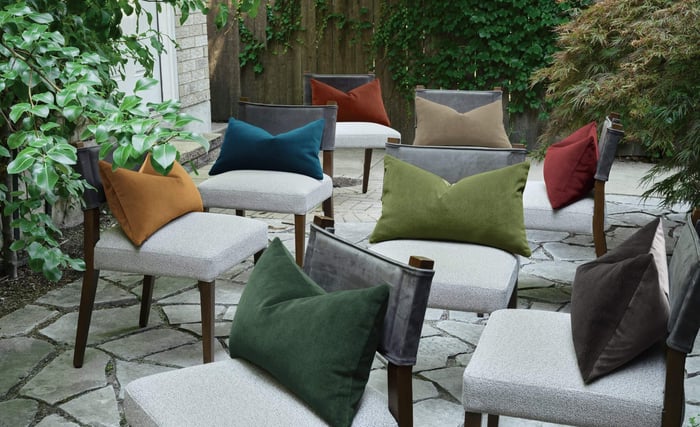
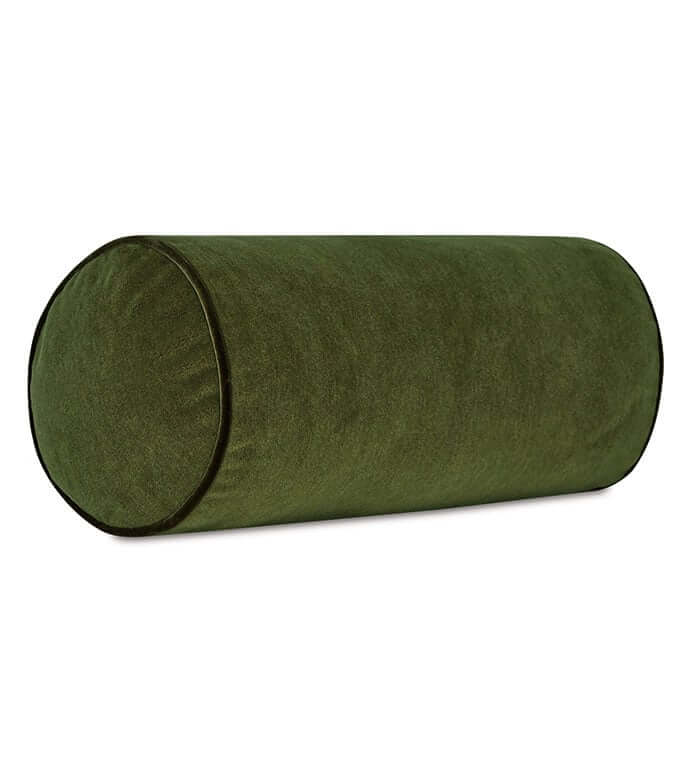
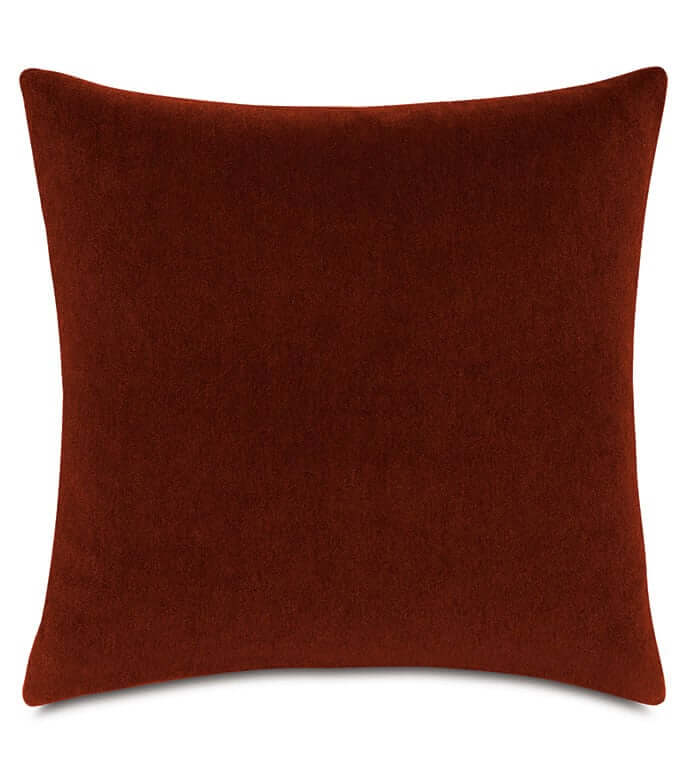
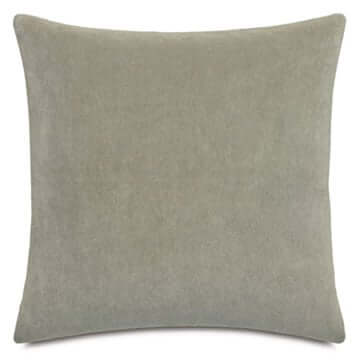
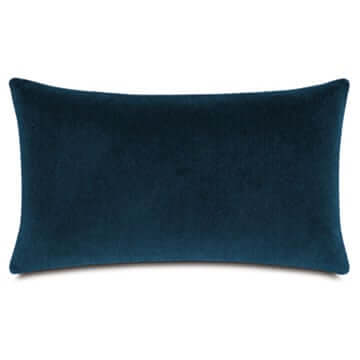
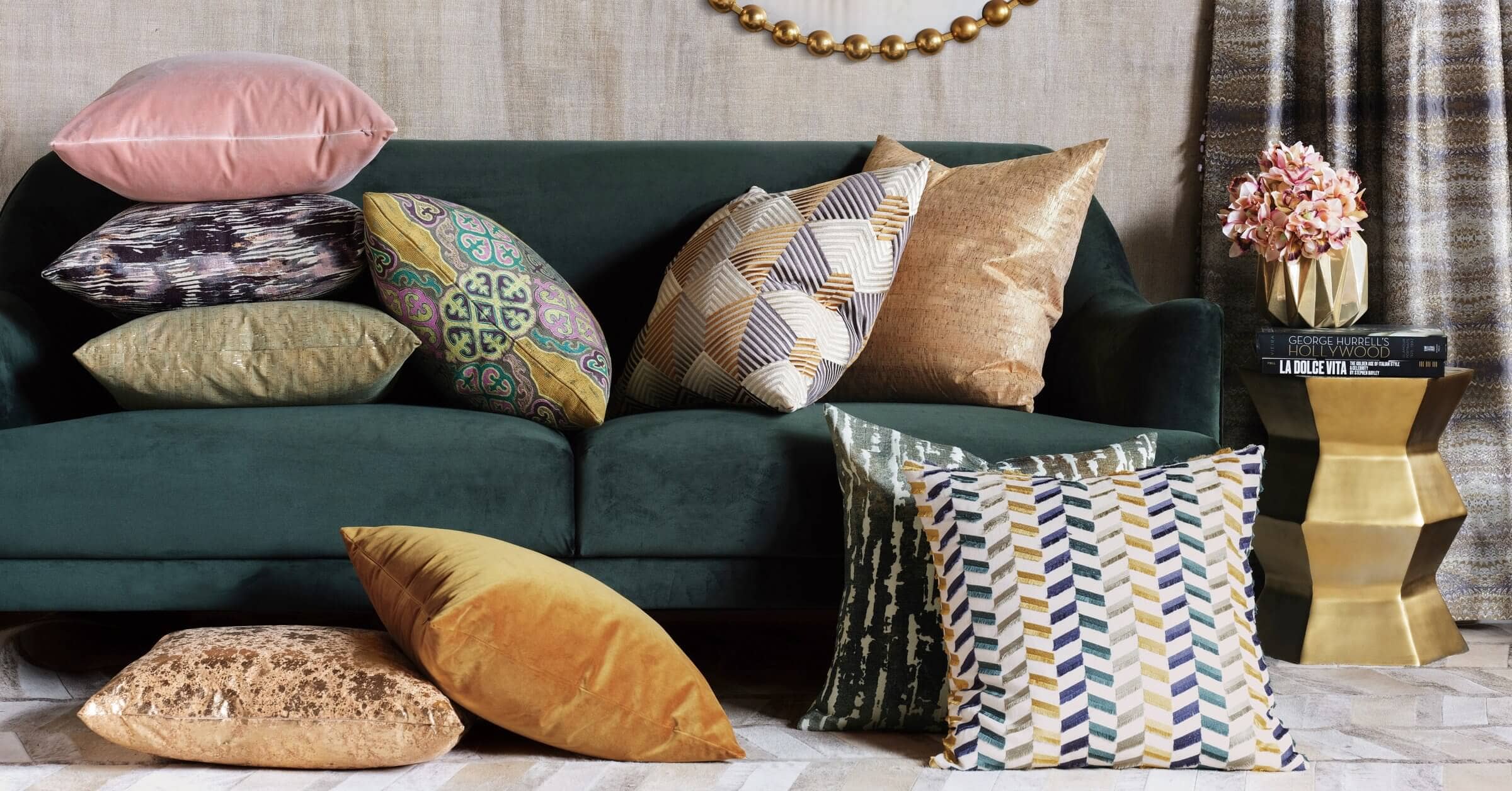
Discover the authentic luxury of the Peruvian Andes with Eastern Accents’ collection of alpaca velvet decorative pillows from Studio 773. Available in 11 vibrant shades, each cushion offers a bold, monochromatic design to match any interior style and color scheme. We back each pillow in matte cotton velvet in the same color family to maintain a tonal look. The home industry only accounts for 4% of the annual consumption of alpaca fiber, making these velvet throw pillows as unique as they are beautiful!
The best way to care for alpaca products is dry cleaning, which ensures that the fiber maintains its size, shape, and color. Properly cared for, these natural beauties will last a lifetime!