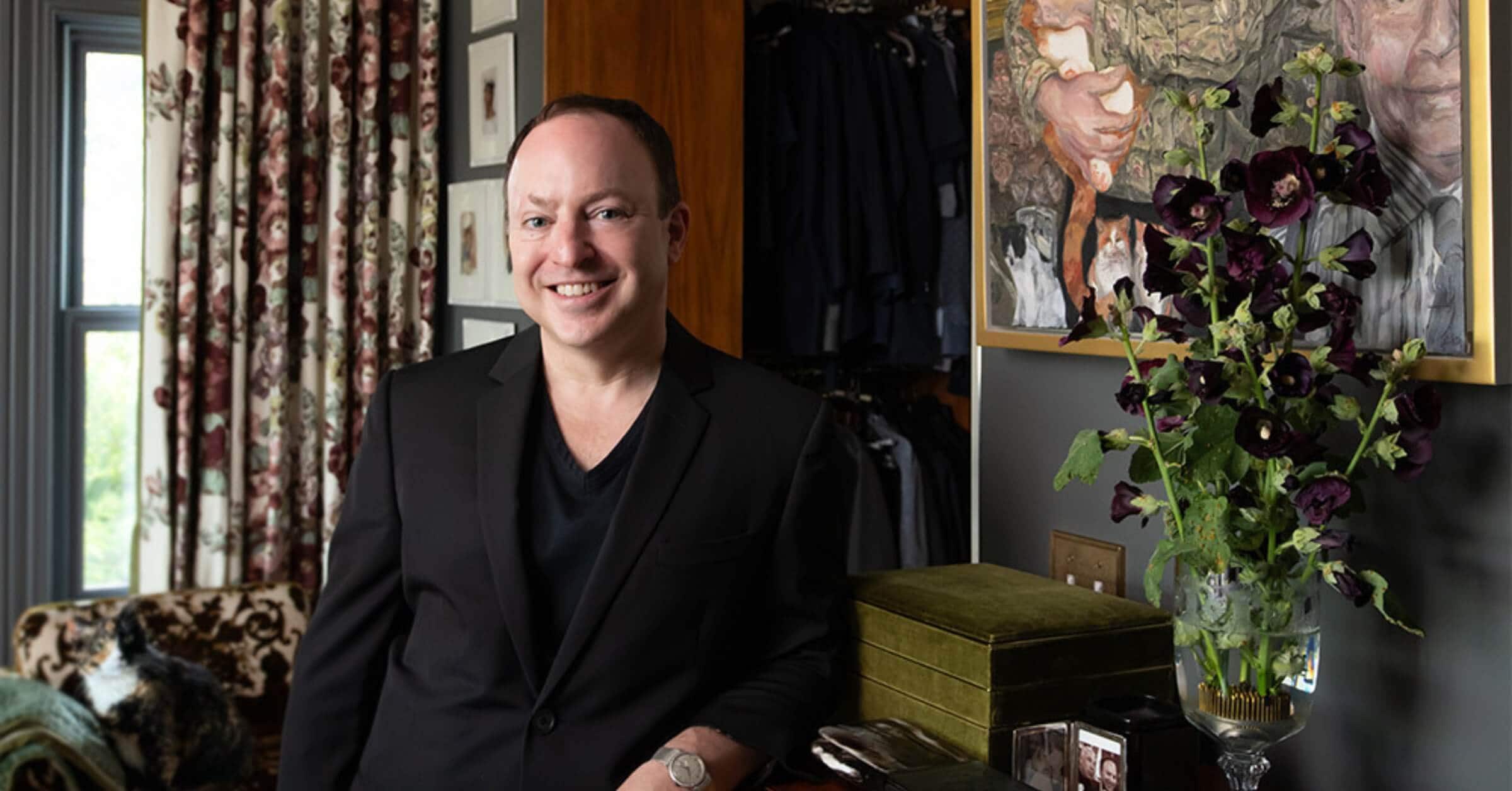
For interior designer and gallerist James Yarosh, design is not decoration—it’s dialogue. Approaching each project as both artist and curator, Yarosh creates interiors that layer art, architecture, and emotion into deeply personal environments. His philosophy of “curated maximalism” bridges art and life: each space becomes a thoughtful balance between refinement and freedom, intention and instinct. Through this harmony of craft and narrative, James Yarosh reminds us that design at its best is not just about beauty, but about living artfully—creating homes that mirror the people within them and speak to the shape of a life fully lived.
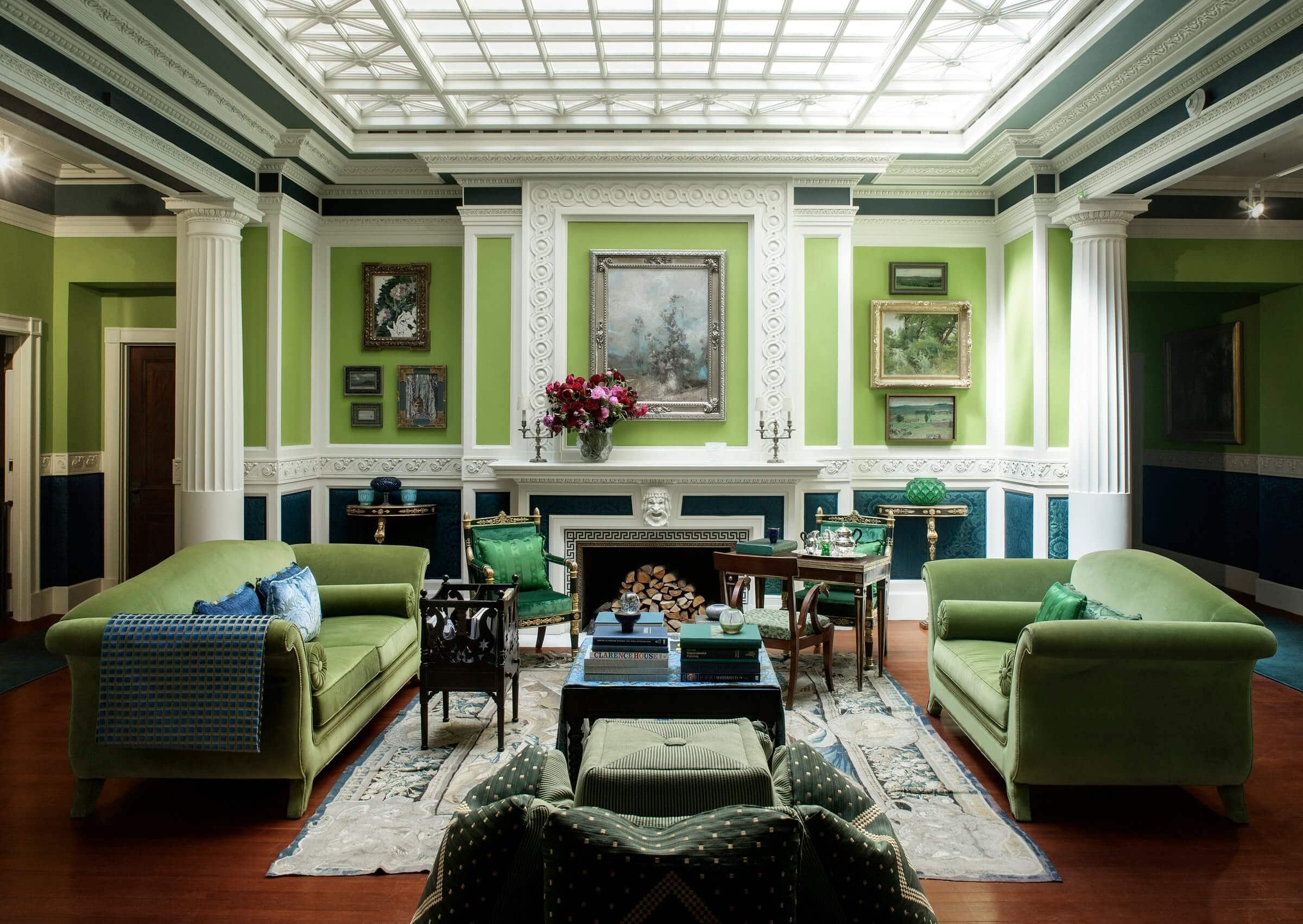
I love the way that you blend aesthetic sensibilities in your design work. "Curated maximalism" is a phrase you use to describe yourself. Your work feels playful but contemplative. It's tasteful and rooted in tradition, but also full of personality. What do harmony and balance mean for you in the context of your creative practice?
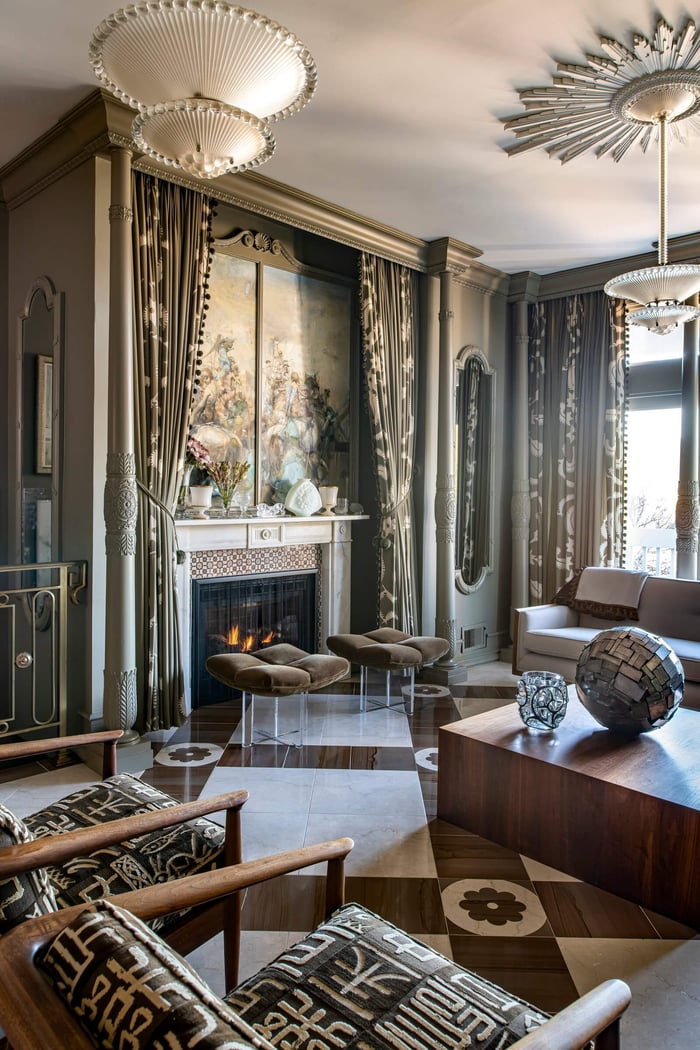
I come from the point of view of an artist. Traveling and visiting the world’s museums has deeply influenced my design aesthetics. Museums layer quality and craftsmanship—from marble or parquet floors within molded architecture to sleek shells, wall coverings, and textiles—to create safe environments where art can sit on top, not as decoration, but as a symbol of culture and intellectual exchange. That principle builds the foundation for how I curate and make creative decisions. Within that structure—the bones of a project—you can explore subplots, nuance, and quiet relationships. For me, maximalism represents the height of quality, regardless of whether it leans modern or traditional, minimal or maximal.
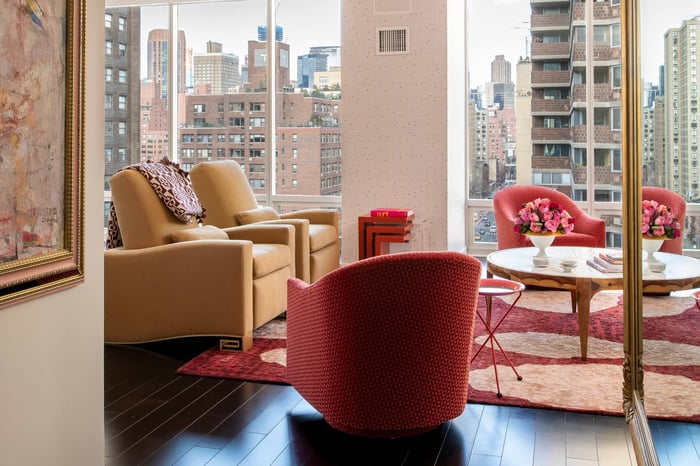
I like that you say "curated maximalism" because you're distinguishing your approach from other maximal approaches. Where, in your view, can maximalism go wrong? Is it about intentionality?
Curation is key because it’s about editing—storytelling through composition, guiding where the eye goes first and how it travels. When approaching a space, I’m often reordering the hierarchy of importance within it, identifying focal points and creating moments where quiet and nuance can speak just as strongly as more expressive gestures.
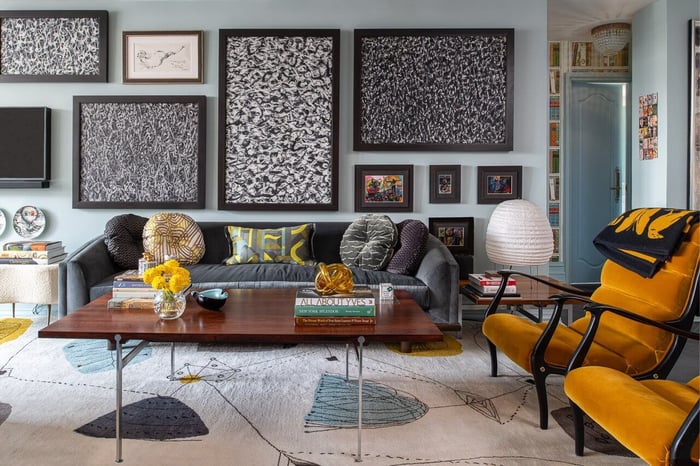
Is less ever more?
Restraint and minimalism can be beautiful, but it’s always about a space feeling complete. Time and budget often push projects to be achieved in the fewest possible steps. The goal remains the same—to find balance and create a space that feels whole, resolved, and true to its purpose.
What does it mean to you, as both an artist and an interior designer, to reconcile market shifts and trends with your innate artistic sensibility?
Trends have never been of interest to me. It’s always about creating beauty and a logical dialogue with architecture or an interior space. As an artist, you learn from the past to inspire the present, creating for the time in which we live. Beyond trend, I look toward innovation—what’s new and what’s possible. Embracing technology and new applications, working just outside of New York, and traveling consistently allow me to see what’s shifting in the industry. Still, as an artist and gallerist, I’m always curating — finding new ways to solve a project for a client in that balance between beauty and function.
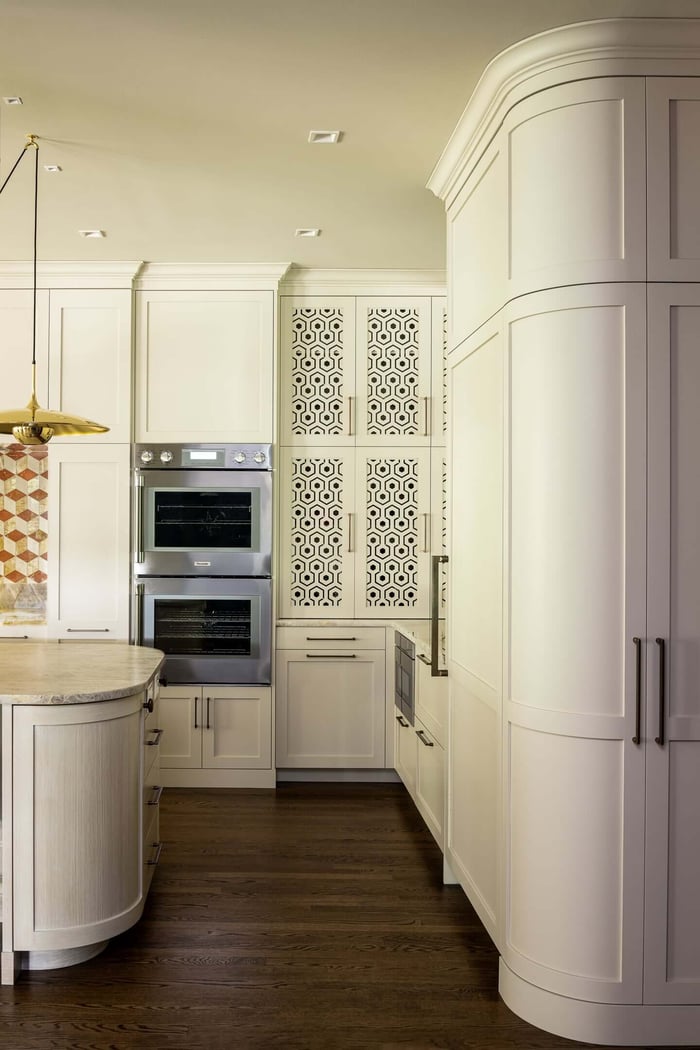
Your work, and the work of the artists you collect, is heavily textural. There is a lot of mark-making. This is particularly appealing in an era when so much media creation is digital. What does mark-making and physical media mean in the context of your work, as opposed to AI or digital media?
I’m creating places to live — there should be fingerprints everywhere, on everything. A beautiful life should feel tangible within a living space. Architecture and space planning are always calibrated for a human scale. In large projects, I’m looking at the big-picture questions that need answers to solve a space. Once that vision is clear in my mind, the rest falls into place — every decision directed toward serving that purpose, so the result becomes a cohesive space that all at once feels like a home. Like artwork where texture and mark-making foil one another to create harmony, textiles and wall coverings deconstruct and build simultaneously, forming a complete composition. I welcome the use of AI if it helps connect ideas, but as an artist-led practice, creativity can never be replaced. The mark of the hand — that human trace — will always matter. For me, that is where art, humanity, and joy intersect — where beauty becomes lived experience.
Are there any current design trends that you do or don't identify with? Can you share your candid thoughts on the subject?
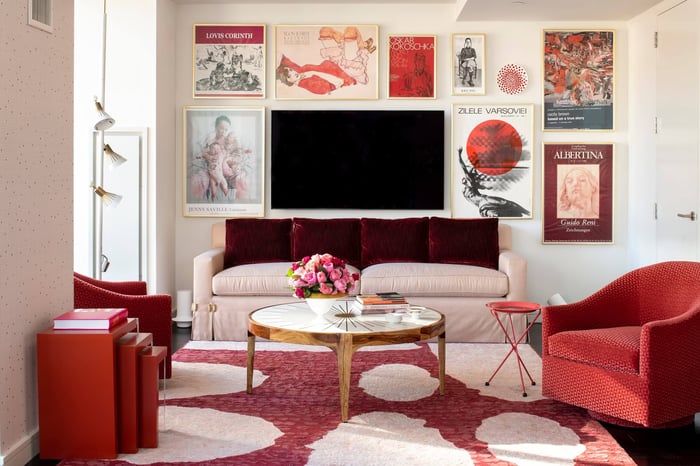
Recently, I visited a 76th-floor new construction penthouse in Manhattan to study the fabrication and material applications suited for that level of residence. It’s important for me to stay aware of what’s happening in design. Yet what concerns me is the ubiquity of staging so driven by the real estate market that people can become content without realizing they should dig deeper. It can be too easy to linger in the shallow end of design instead of taking the leap into the deep end—creating spaces that inspire rather than just exist.
A home should have depth, meaning, and individualism. It should reflect a lifetime of who you are — and who you are today. A truly custom home is a self-portrait, not a blank canvas. What distinguishes it from staging is precisely that: depth, intention, and authenticity. It’s always more interesting when a home expresses the life within it.
I'm interested in the idea that interior design can function as an outward expression of someone's personhood — it’s the inner world, externalized. Does that idea resonate with you?
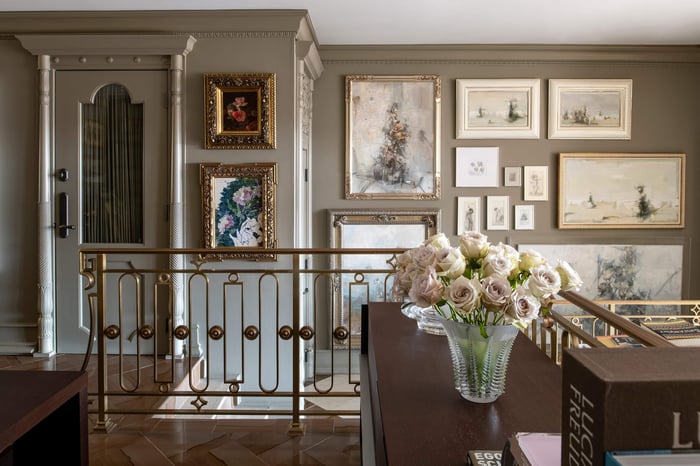
I’ve always believed artists’ homes are the most interesting. Artists understand how to live with art—to surround themselves with what excites them, what challenges them. For me, the most successful art connects our shared humanity. Designing a home that welcomes and protects us within the world turns it into our safe space—an opportunity to express our values, curiosities, and histories.
How we choose to inhabit space—to share it with guests, family, and the world—becomes part of our personal narrative. Beyond simple shelter, we can only go up from there. The journey of creating a home should be joyful. A home holds memory but also launches us forward; it reminds us not just to exist, but to live.
Where would you like to see yourself in five years’ time?
With the gallery turning 30 in 2026, it feels like the perfect moment to pivot into something new—what I think of as my “third act.” I began as a painter, found success as a gallerist and designer, and have currently begun painting again. I want to use all I’ve learned to explore projects that push envelopes and allow space to get lost in craft and the nuance of detail. I’m drawn to partnerships where clients and collaborators share the pursuit of beauty.
This next act will continue to champion the artists I believe in as I advocate what great art looks like and support movements of change—such as revisiting the women artists of the 20th century—while working with museum curators to give voice to those whose work teaches and bears witness, connecting us in ways beyond words. It also focuses on evolving the gallery into a more holistic creative space—a living laboratory for making, meeting, and exploration unbound by traditional conventions in a changing world. By embracing both art and design, the gallery can become a stronger advocate for the arts and a living example of how creativity and life can exist symbiotically.
After turning houses into homes for clients to live their dreams, I now feel compelled to create out of pure curiosity—to chase light, joy, and discovery. If a project sounds fun, that’s enough reason to say yes. The work to come, I hope, will reflect freedom—letting the arts lead the way.
About the Artist:
James Yarosh is an interior designer, gallery owner, and advocate for the arts based near the New Jersey shore, where he lives with his longtime partner, Barney Cohn, and their cat — a former stray. Known for his philosophy of “curated maximalism,” Yarosh bridges art, architecture, and storytelling to create interiors that are both deeply personal and timelessly refined. Working throughout New York, New Jersey, and beyond, his projects reflect a lifelong pursuit of beauty, craftsmanship, and creative dialogue.